

Search parameters
Hotels in Pula – holiday in Istria between Roman history, coast & city life
Pula is the largest city in the Istria region, located at the southern tip of the peninsula directly on the Adriatic Sea. The city is among the oldest places in Croatia, looking back on a history of over 3,000 years that dates back to antiquity.
Today, Pula combines historical architecture with modern infrastructure and is considered one of the most important cultural and tourist centers in Istria. Especially characteristic is the blend of Roman monuments, coastal landscapes, and urban life, which sets Pula significantly apart from smaller seaside resorts.
Hotels in Pula are spread across several areas. In addition to accommodations in the city center and around the Old Town, coastal zones such as Verudela or Stoja play a major role.
This structure allows for different types of stays: while hotels in the center offer close proximity to sights and urban life, many accommodations outside are located directly on the seafront and are more geared toward beach holidays.
The coastline around Pula is typically Istrian, consisting predominantly of rocky and pebble beaches as well as smaller bays. Long sandy beaches are quite rare, but the indented coastline offers numerous bathing spots.
Particularly well-known beach areas are located on the Verudela peninsula, where well-developed bathing zones with clear water can be found. The combination of rocks, pine trees, and the open Adriatic Sea provides a diverse coastal landscape.
The defining feature of Pula is its exceptionally well-preserved Roman architecture. The most famous structure is the amphitheater, known as the Pula Arena, which is among the largest and best-preserved of its kind worldwide.
Furthermore, the city features other ancient structures such as the Arch of the Sergii, temple remains, and historical squares. This abundance of monuments gives Pula a much more urban and culturally distinctive appearance than many other destinations on the Croatian coast.
Pula was built – much like Rome – on seven hills. This geographical structure indicates the strategic importance of the city since antiquity and continues to shape the cityscape today.
Over the centuries, Pula has been under various influences, including the Romans, Venetians, and Habsburgs. These historical layers are clearly recognizable in the cityscape and contribute to its special atmosphere.
Just off the coast of Pula lie the Brijuni Islands, a national park comprising 14 islands. They are among the most famous natural destinations in the region and are easily accessible from Pula.
The surrounding area is also characterized by Mediterranean vegetation, coastal stretches, and smaller towns along the western Istrian coast. This combination of city and nature expands the offerings far beyond a classic beach holiday.
Due to its size and structure, Pula offers numerous opportunities for a diverse stay:
• Sightseeing of historical buildings and museums
• Beach stays along various coastal sections
• Boat trips to the Brijuni Islands
• Water sports, kayaking, and snorkeling tours along the coast
• Excursions to other towns in Istria, such as Rovinj or Poreč
This variety makes Pula one of the most versatile travel destinations in Istria.
Hotels in Pula are particularly suitable for travelers looking for a connection between city, history, and the coast. The combination of ancient sights, a diverse coastal landscape, and good infrastructure clearly elevates Pula above classic beach resorts.
Anyone wishing to experience Istria not just as a beach region but also as a culturally rich destination will find Pula to be one of the most multifaceted destinations on the Croatian Adriatic coast.
Today, Pula combines historical architecture with modern infrastructure and is considered one of the most important cultural and tourist centers in Istria. Especially characteristic is the blend of Roman monuments, coastal landscapes, and urban life, which sets Pula significantly apart from smaller seaside resorts.
Hotels in Pula – between the Old Town, coastal zones, and holiday resorts
Hotels in Pula are spread across several areas. In addition to accommodations in the city center and around the Old Town, coastal zones such as Verudela or Stoja play a major role.
This structure allows for different types of stays: while hotels in the center offer close proximity to sights and urban life, many accommodations outside are located directly on the seafront and are more geared toward beach holidays.
Coast & beaches – rocky bays and clear water
The coastline around Pula is typically Istrian, consisting predominantly of rocky and pebble beaches as well as smaller bays. Long sandy beaches are quite rare, but the indented coastline offers numerous bathing spots.
Particularly well-known beach areas are located on the Verudela peninsula, where well-developed bathing zones with clear water can be found. The combination of rocks, pine trees, and the open Adriatic Sea provides a diverse coastal landscape.
Old Town & sights – Roman heritage in the cityscape
The defining feature of Pula is its exceptionally well-preserved Roman architecture. The most famous structure is the amphitheater, known as the Pula Arena, which is among the largest and best-preserved of its kind worldwide.
Furthermore, the city features other ancient structures such as the Arch of the Sergii, temple remains, and historical squares. This abundance of monuments gives Pula a much more urban and culturally distinctive appearance than many other destinations on the Croatian coast.
Unique feature of the city – history on seven hills
Pula was built – much like Rome – on seven hills. This geographical structure indicates the strategic importance of the city since antiquity and continues to shape the cityscape today.
Over the centuries, Pula has been under various influences, including the Romans, Venetians, and Habsburgs. These historical layers are clearly recognizable in the cityscape and contribute to its special atmosphere.
Surroundings & nature – Brijuni Islands and the Istrian landscape
Just off the coast of Pula lie the Brijuni Islands, a national park comprising 14 islands. They are among the most famous natural destinations in the region and are easily accessible from Pula.
The surrounding area is also characterized by Mediterranean vegetation, coastal stretches, and smaller towns along the western Istrian coast. This combination of city and nature expands the offerings far beyond a classic beach holiday.
Activities & opportunities – culture, sea, and excursions
Due to its size and structure, Pula offers numerous opportunities for a diverse stay:
• Sightseeing of historical buildings and museums
• Beach stays along various coastal sections
• Boat trips to the Brijuni Islands
• Water sports, kayaking, and snorkeling tours along the coast
• Excursions to other towns in Istria, such as Rovinj or Poreč
This variety makes Pula one of the most versatile travel destinations in Istria.
Hotels in Pula – ideal for a combination of culture and beach holiday
Hotels in Pula are particularly suitable for travelers looking for a connection between city, history, and the coast. The combination of ancient sights, a diverse coastal landscape, and good infrastructure clearly elevates Pula above classic beach resorts.
Anyone wishing to experience Istria not just as a beach region but also as a culturally rich destination will find Pula to be one of the most multifaceted destinations on the Croatian Adriatic coast.
Istria
Pula
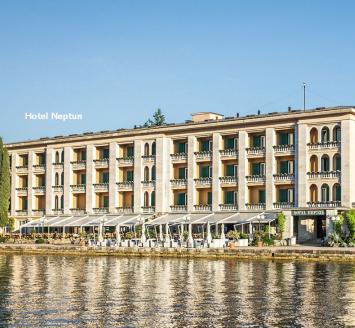


- gradtur club popust - 4%: 01.04. - 06.11.
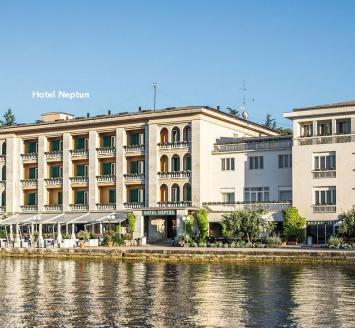

- gradtur club popust - 3%: 01.04. - 06.11.

- gradtur club popust - 5%: 01.05. - 06.11.


- Gradtur club - 7%: up to: 30.09.

- EBD do 28.2.2027 - 15%: up to: 28.02.


- Gradtur club - 5%: up to: 30.10.


- Gradtur-klub-popust - 6%: up to: 30.09.


- Gradtur-club-popust - 5%: 26.03. - 24.09.
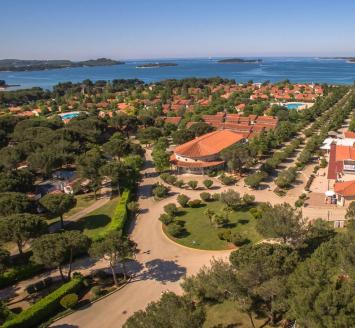
- Gradtur club - 5%: up to: 30.06.

- AKCIJA NON REDUNDABLE 20 % - 22%: 01.01. - 31.12.
- FIRST MINUTE DO 31.1. - 18%: up to: 31.01.
